
Coated Spiral Steel Pipe
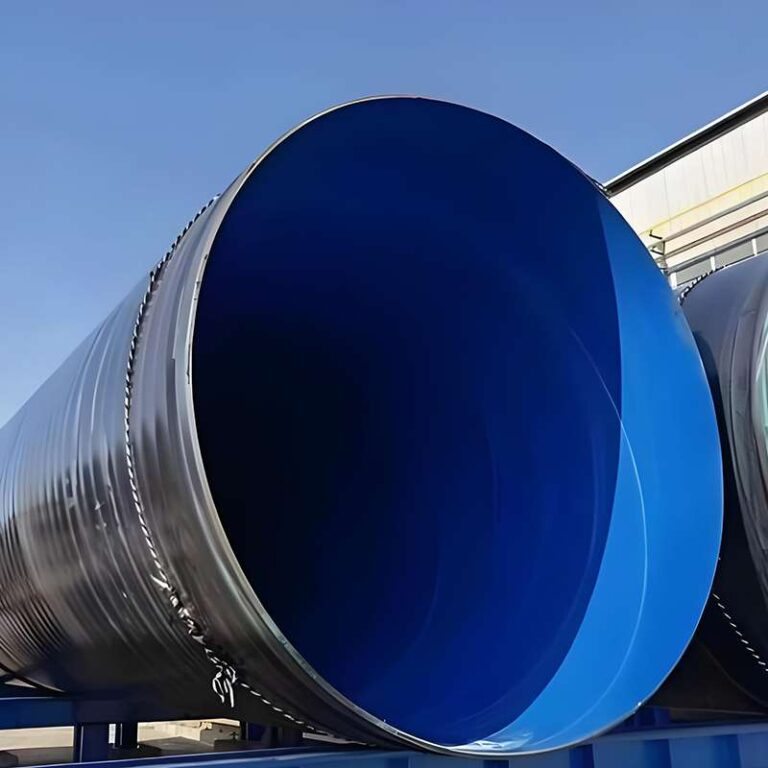
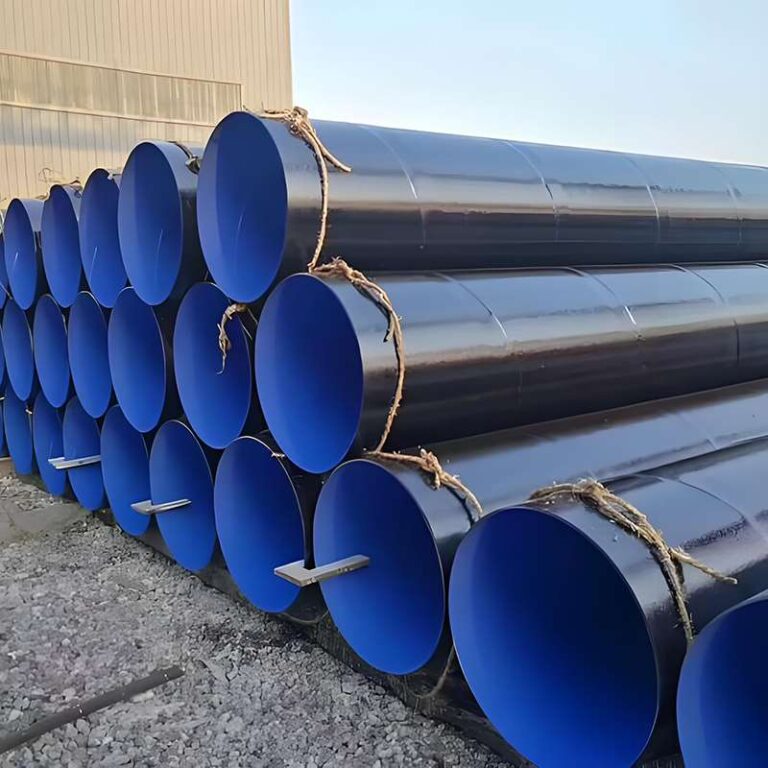
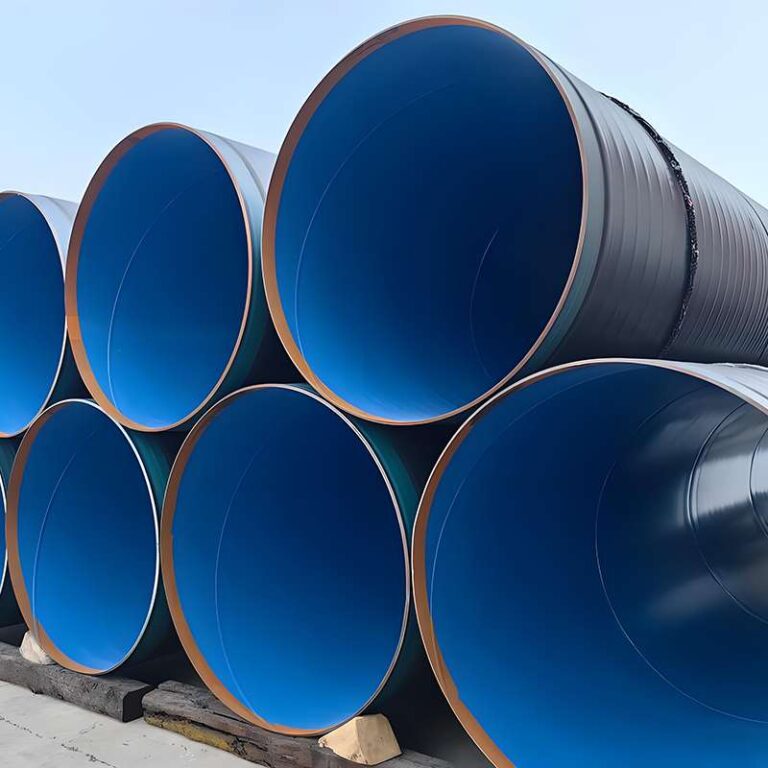
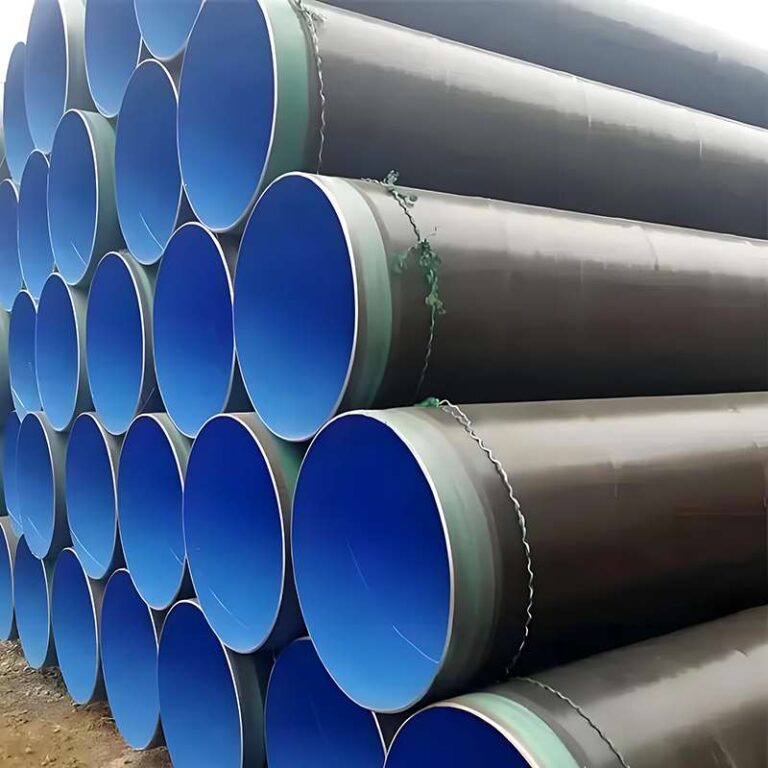
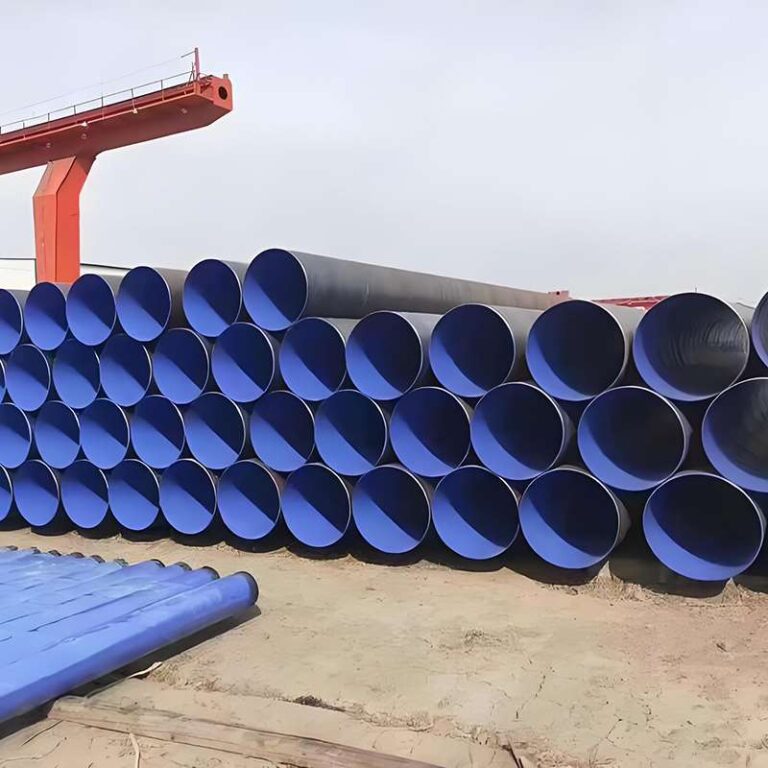
I. Why High-Reliability Anti-Corrosion Steel Pipes Are Essential for Long-Distance Pipeline Projects
Long-distance oil and gas transmission pipelines, as well as water supply systems, rank among the most critical infrastructure projects. These projects often span hundreds or even thousands of kilometers, traversing highly diverse and challenging environments, including deserts, mountainous regions, wetlands, coastal areas, and cold climates.
For both project designers and procurement teams, selecting the appropriate pipeline material is not merely a technical consideration. It directly impacts:
- The operational safety and lifespan of the pipeline
- Long-term maintenance costs
- The risk of leaks or failures
- The likelihood of successful project acceptance and commissioning
While conventional steel pipes offer certain mechanical strength, they are highly susceptible to corrosion when buried for extended periods or exposed to complex environmental conditions. This can result in wall thickness reduction, leakage, or even complete failure. Once such issues occur, repair costs are extremely high, and there is a risk of environmental damage and operational downtime.
Consequently, for long-distance transmission projects, coated spiral steel pipes?have become the preferred solution across the industry, offering both reliability and long-term performance in demanding conditions.
II. Key Challenges Faced by Long-Distance Pipeline Projects
1. Severe Underground Corrosion
Long-distance pipelines are highly exposed to corrosive underground conditions, which are among the primary causes of pipeline failure. Factors include:
- Soil moisture
- Variations in pH (acidic or alkaline conditions)
- Presence of salts and chemical compounds
- Microbial corrosion
These elements continuously attack the steel surface, making corrosion protection a critical consideration in pipeline material selection.
2. Structural Stress from Long-Distance Transmission
Pipelines over long distances must withstand multiple structural stresses, including:
- High internal pressure fluctuations
- Thermal expansion and contraction due to temperature changes
- Geological subsidence or seismic activity
This necessitates the use of pipelines with high mechanical strength and excellent structural stability.
3. Extremely High Maintenance Costs
Maintenance of long-distance pipelines, especially buried ones, is both difficult and costly:
- Inspection and repair are challenging due to underground installation
- Downtime results in significant operational and economic losses
- Labor and equipment costs are substantial
As a result, clients increasingly prefer materials that require minimal or no maintenance over the pipeline’s operational life.
4. Strict Project Standards Compliance
Major pipeline projects require materials that comply with internationally recognized standards, including:
- API 5L (Petroleum and natural gas pipeline steel)
- ISO standards for pipeline design and testing
- EN (European Norm) standards
Materials that do not meet these standards are ineligible for inclusion in large-scale pipeline projects.
In response to these challenges, anti-corrosion spiral steel pipe has become the preferred solution in long-distance pipeline engineering, providing both corrosion resistance and structural reliability. High-quality Coated Spiral Steel Pipe ensures safer operation, lower maintenance costs, and compliance with strict international standards.
III. Why Coated Spiral Steel Pipe Is the Superior Solution
Coated Spiral Steel Pipe combines structural advantages with advanced anti-corrosion technology, providing a systematic solution to the challenges faced by long-distance pipeline projects.
1. Structural Advantages of Spiral Steel Pipe
Spiral steel pipes are manufactured using spiral welding technology, offering several key benefits:
- Suitable for large-diameter pipelines
- More uniform stress distribution
- Higher internal pressure resistance
- Ideal for continuous long-distance transmission
Compared with longitudinal welded pipes, the spiral structure delivers greater economic efficiency and structural stability in large-diameter projects.
2. Multi-Layer Anti-Corrosion Protection System
Coated Spiral Steel Pipe typically utilizes a multi-layer protective system, such as 3PE coated spiral steel pipe or FBE coated spiral steel pipe:
- FBE (Fusion Bonded Epoxy) layer: Provides fundamental corrosion resistance
- Adhesive layer: Enhances bonding strength between the layers
- PE (Polyethylene) outer layer: Offers mechanical protection
This multi-layer structure effectively isolates the steel from:
- Moisture
- Oxygen
- Salts
- Chemical corrosive media
It fundamentally slows down the corrosion process, ensuring long-term pipeline integrity.
3. Suitable for Various Challenging Environments
Coated Spiral Steel Pipe is widely used in:
- Long-distance oil and gas transmission pipelines
- Municipal water supply projects
- Industrial fluid transport systems
- Cross-regional underground networks
- Harsh environments, including deserts, cold regions, and coastal areas
By combining mechanical strength with superior corrosion resistance, Coated Spiral Steel Pipe has become the preferred choice for demanding pipeline projects worldwide.
IV. Coated Spiral Steel Pipe Standards
| Standard System | Standard Number | Standard Name | Application Scope |
|---|---|---|---|
| API Standard | API 5L | Specification for Line Pipe | Oil and natural gas long-distance transmission pipelines |
| ISO Standard | ISO 3183 | Steel pipe for pipeline transportation systems | International pipeline transportation systems |
| EN Standard | EN 10208-2 | Steel pipes for pipelines for combustible fluids | European standard for oil, gas, and fuel gas pipelines |
| EN Standard | EN 10217 | Welded steel tubes for pressure purposes | Industrial pressure piping systems |
| China Standard | GB/T 9711 | Steel pipes for oil and gas industry pipeline transportation systems | Domestic oil and gas pipeline projects |
| China Standard | GB/T 3091 | Welded steel pipes for low-pressure fluid delivery | Water, gas, and general low-pressure fluid transportation |
| Coating Standard | ISO 21809-1 | External coatings for buried pipelines | International standard for 3PE/FBE external anti-corrosion coatings |
| Coating Standard | DIN 30670 | Polyethylene coatings for steel pipes | German standard for 3PE anti-corrosion coatings |
| Coating Standard | CSA Z245.21 | External polyethylene coating systems | North American pipeline coating systems |
| Testing Standard | ASTM G62 | Holiday detection test | Inspection of coating integrity (pinholes) |
| Testing Standard | ISO 8501 | Surface preparation of steel substrates | Blast cleaning and surface preparation standards |
| Testing Standard | ISO 21809-3 | Coating quality inspection | Coating thickness, adhesion, and quality testing standards |
V. Selection Guide for Coated Spiral Steel Pipe
1. Diameter
Selection Principle: Choose the pipe diameter based on the flow rate and operating pressure of the conveyed medium, balancing economic efficiency with system stability.
Application Recommendations:
- Long-distance oil and gas pipelines typically use large-diameter pipes (≥600?mm) to reduce pressure loss.
- Municipal water supply systems can use medium to small diameters (200–500?mm) according to water demand.
Considerations: As diameter increases, wall thickness should be correspondingly matched to meet pressure requirements.
2. Wall Thickness
Selection Principle: Wall thickness directly affects the pipeline’s pressure resistance and corrosion life.
Application Recommendations:
- High-pressure transmission pipelines should use thick-walled pipes to withstand working pressure.
- In highly corrosive environments, consider increasing wall thickness or selecting more resistant coating types.
Considerations: Too thin a wall increases the risk of corrosion perforation, while excessive thickness raises material costs.
3. Material Grade
Selection Principle: Select steel grade based on project pressure rating, conveyed medium, and environmental temperature.
Common Grades: API 5L PSL1/PSL2, X42–X70, GB/T 9711 series.
Application Recommendations:
- High-pressure oil pipelines may require high-strength steel grades (X60 or above).
- Municipal water or low-pressure pipelines can use low to medium strength grades (X42–X52).
4. Coating Type
Selection Principle: Determine coating type according to soil corrosivity, groundwater chemical composition, and burial depth.
Common Coatings:
- 3PE (FBE primer + adhesive + polyethylene outer layer): Suitable for long-distance pipelines and complex buried conditions.
- FBE (Fusion Bonded Epoxy): Suitable for medium and low-pressure pipelines and industrial fluid transport.
- Epoxy resin coatings: Commonly used in water treatment and chemical industries.
Considerations: Coating thickness and integrity directly determine the service life of the pipeline.
5. Length & Logistics
Selection Principle: Choose pipe segment lengths according to construction methodology to minimize the number of welds and ease installation.
Application Recommendations:
- Spiral steel pipes offer flexible lengths, typically 6–12?m or longer.
- Longer segments reduce the number of welds and increase construction efficiency, but transportation must account for road limits and lifting equipment.
6. International Standards & Project Compliance
Selection Principle: Pipes must meet the standards required by the project location or tender specifications.
Common Standard Combinations:
- API 5L + ISO 21809-1 — widely used in international oil and gas projects
- EN 10208-2 + DIN 30670 — for European projects
- GB/T 9711 + GB/T 23257 — domestic oil and gas projects in China
Application Recommendations: Standard compliance affects not only project acceptance but also insurance, financing, and long-term operational safety.